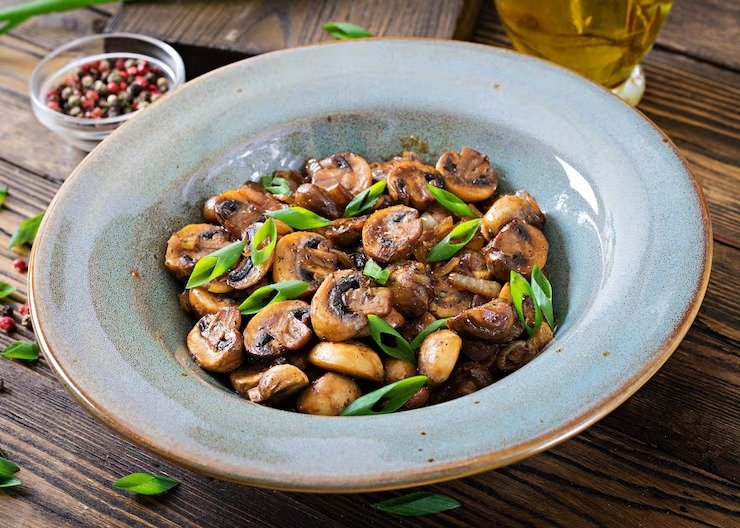
Introduction to Mushroom Fry
Mushroom fry is a delightful culinary creation that has garnered attention across various cuisines worldwide. The origins of mushroom fry can be traced back to different cultures that have long embraced mushrooms as a versatile and nutritious ingredient. From East Asian stir-fries to Western sauté dishes, the preparation of mushroom fry exemplifies the global appreciation for these earthy fungi.
One of the primary reasons for the popularity of mushroom fry lies in the rich flavors and diverse textures that mushrooms offer. Whether it is the meaty portobello or the delicate shiitake, mushrooms provide a unique umami flavor that enhances any dish. The ability to quickly absorb spices and seasonings makes mushrooms an ideal candidate for frying, where the intense heat brings out their natural taste while offering an appealing golden exterior.
Moreover, the nutritional profile of mushrooms further contributes to their esteemed status in various diets. They are low in calories yet rich in essential nutrients, making them a favorite among health-conscious individuals. Additionally, mushrooms are a source of dietary fiber, vitamins, and minerals, promoting overall well-being. As vegetarianism and plant-based diets gain popularity, mushroom fry has emerged as a substantial option that can stand in for meat in many recipes.
With such diversity and significance, mushroom fry is not just a simple dish but a testament to the adaptability of mushrooms in culinary traditions. This guide aims to uncover the intricacies and techniques involved in achieving the perfect mushroom fry, ensuring that readers can enjoy this delectable dish in their own kitchens. By delving into the preparation process, we can appreciate the art of cooking with mushrooms and the joy they bring to the table.
Ingredients Required
To prepare a perfect mushroom fry, selecting the right ingredients plays a crucial role. The primary focus will be on the mushrooms themselves, as they are the star of the dish. For optimal flavor and texture, varieties such as cremini, shiitake, and button mushrooms are highly recommended. Each of these types offers unique characteristics; cremini mushrooms provide a robust, earthy flavor, shiitake mushrooms contribute a hint of smokiness, while button mushrooms deliver a mild taste that acts as a perfect base.
In addition to mushrooms, essential seasonings must be selected to elevate the overall taste. This includes salt and freshly ground black pepper for basic seasoning. A sprinkle of garlic powder or minced fresh garlic will add wonderful aromatic qualities. For those looking to enhance the flavor further, consider incorporating dried thyme, rosemary, or crushed red pepper flakes. These herbs provide an additional layer of complexity, making the dish more enticing.
Moreover, the right cooking oil is vital for achieving an ideal fry. Vegetable oil, olive oil, or unsalted butter are all suitable options and can be selected based on personal preference. The choice of oil also influences the final flavor, so selecting a high-quality product is advisable. For a unique touch, some may also opt to include soy sauce or balsamic vinegar to introduce a savory or tangy element to the dish.
When considering measurement conversions, it is important to source quality ingredients. A standard serving size typically includes around 400 grams of mushrooms, combined with 2-3 tablespoons of oil and assorted seasonings according to taste. This will yield a dish that serves approximately four people. Ensure fresh, organic mushrooms are obtained from reputable suppliers, as this will not only enhance the flavor but also promote sustainability in food sourcing.
Preparing the Mushrooms
The preparation of mushrooms is a crucial step in creating a delectable mushroom fry. Freshness is essential, so always select mushrooms that are firm, blemish-free, and have a vibrant appearance. Common varieties used for frying include button, shiitake, and portobello. Each type has its distinct flavor and texture, making it important to handle them correctly for optimal taste in your dish. Start by cleaning the mushrooms gently. Avoid soaking them in water, as they are porous and can absorb moisture, which may lead to a soggy texture. Instead, use a damp cloth or a soft brush to wipe off any dirt. This method preserves their flavor and quality.
Once cleaned, the next step involves slicing the mushrooms. Depending on the desired end result, you can choose to slice them uniformly or in thicker pieces. For a classic mushroom fry, thinly slicing, about ¼-inch thick, will ensure even cooking and allow for a delightful crispiness. If you are using larger varieties like portobello, cut them into strips or cubes to enhance their ability to absorb flavors from marinades.
Marinating the mushrooms effectively can elevate their flavor profile significantly. A simple marinade can include olive oil, garlic, salt, and a touch of acidity, such as lemon juice or balsamic vinegar. Let the mushrooms soak in this mixture for at least 30 minutes prior to frying. This process helps to infuse the mushrooms with essential flavors and ensures they remain juicy during cooking. Remember that different mushrooms will absorb marinades at varying rates, so adjust your marination time accordingly. Properly prepared mushrooms will ensure your mushroom fry captivates the palate, showcasing textures and flavors that truly stand out.
Cooking Techniques for Mushroom Fry
Mushrooms are versatile ingredients that can be prepared using various cooking techniques, each offering distinct textures and flavors. Here, we will explore three primary methods: sautéing, frying, and baking, providing step-by-step instructions, timing, and temperature recommendations for optimal results.
Sautéing is a preferred technique for mushroom fry that brings out the rich umami flavor of the fungi while maintaining their tender texture. To start, heat a tablespoon of oil in a skillet over medium heat. When the oil is shimmering, add sliced or diced mushrooms to the pan, ensuring they are spread out in a single layer. Sauté the mushrooms, stirring occasionally, for about 5-7 minutes or until they are golden brown and have released their moisture. Adding minced garlic or shallots in the last minute of cooking can enhance the flavor profile. Season with salt and pepper to taste before serving.
Frying, on the other hand, yields a crispy exterior that many enjoy. Begin by preparing a batter or coating of flour mixed with your choice of spices. In a deep frying pan, heat oil to approximately 350°F (175°C). Dip each mushroom in the batter, shaking off any excess, and carefully place them in the hot oil. Fry in batches to avoid overcrowding, which can lead to uneven cooking. Cook for 4-5 minutes or until golden brown, then use a slotted spoon to transfer the fried mushrooms to a paper towel-lined plate to drain excess oil.
Lastly, baking provides a healthier alternative without sacrificing flavor. Arrange cleaned mushrooms on a baking sheet lined with parchment paper. Drizzle with olive oil, and sprinkle with herbs, salt, and pepper. Bake in a preheated oven at 400°F (200°C) for about 20-25 minutes, flipping halfway through. This method allows the mushrooms to roast evenly, developing a deep, robust flavor.
Choosing the right cooking technique depends on the desired outcome. Each method can yield a delicious mushroom fry when executed correctly, catering to various tastes and dietary preferences.
Flavor Pairings and Spices
Mushroom fry is a versatile dish that can be enhanced through a thoughtful selection of spices and flavor pairings. Traditional spices such as garlic, thyme, and rosemary are commonly used to highlight the earthy notes of mushrooms. Garlic, in particular, adds a pungent aroma that complements the umami flavor inherent in most mushroom varieties. Thyme and rosemary not only provide an herbal brightness but also contribute to a depth that resonates beautifully with the different textures of fried mushrooms.
In addition to classic pairings, modern culinary trends introduce innovative ingredients that can elevate mushroom fry. For instance, the addition of smoked paprika infuses a subtle smokiness, while a sprinkle of chili flakes can introduce a lively heat. These ingredients allow for a more contemporary twist while preserving the essential characteristics of the dish. Furthermore, unexpected ingredients like soy sauce, miso, or balsamic vinegar can be drizzled in moderation to introduce a tangy contrast, balancing the richness of the fried mushrooms.
For those who prefer sweeter notes, incorporating a touch of honey or maple syrup can create an intriguing juxtaposition with savory flavors. This balance caters to personal preferences and can transform the mushroom fry experience into something remarkably distinctive. It is essential to experiment with these ingredients to find a harmonious balance that appeals to individual taste profiles.
Ultimately, the combination of spices and flavor pairings should aim to enhance the natural flavors of mushrooms without overwhelming them. By focusing on a mix of traditional and unique ingredients, one can achieve a mushroom fry that is both nuanced and incredibly flavorful, appealing to a diverse range of palates.
Variations of Mushroom Fry
Mushroom fry is a versatile dish that allows for numerous variations, catering to different dietary preferences and flavor profiles. One of the most popular options is a vegetarian mushroom fry, which can be enhanced with an array of vegetables. For example, incorporating bell peppers, onions, and spinach not only adds vibrant colors but also boosts the nutritional value. Spices such as cumin, coriander, and turmeric can be used to elevate the flavor and aroma, creating a delicious, meat-free delight.
For those who prefer a heartier meal, variations incorporating meats, such as chicken or shrimp, can add protein while intensifying the overall taste. Marinating the meat before frying can yield even richer flavors. A unique blend of soy sauce, ginger, and garlic can transform the mushroom fry into a fragrant stir-fry dish, appealing to those craving a fusion of flavors. Additionally, preparing a side of fried rice or noodles can complement the dish, creating a complete meal that satisfies diverse palates.
Exploring further, adding nuts like cashews or almonds can introduce a delightful crunch to the mushroom fry. This variation not only enhances texture but also contributes healthy fats and protein, making it suitable for individuals seeking more filling options. Similarly, incorporating sprouts can provide a fresh and crisp element, adding to the complexity of flavors in the dish. These additions cater to those who follow a vegetarian or vegan lifestyle, demonstrating the versatility of mushroom fry across various dietary restrictions.
Ultimately, whether one opts for vegetarian choices, meat-based variations, or creative enhancements with nuts and sprouts, mushroom fry remains a dish that entertains the palate while accommodating different dietary needs. Each variation offers an opportunity to experiment and adapt the dish, ensuring that it appeals to a wide audience.
Chef-Style Tips for Perfect Mushroom Fry
Achieving restaurant-quality mushroom fry at home involves not only attention to flavor but also a keen eye for presentation. The first step is ensuring that you select fresh, high-quality mushrooms. Varieties such as cremini, shiitake, or oyster mushrooms offer unique flavors that can elevate any dish. Once you have your mushrooms, clean them gently to preserve their natural texture and moisture.
When it comes to the frying process, temperature control is paramount. Preheat your oil to the ideal temperature, typically around 350°F (175°C). A deep-frying thermometer can be particularly useful here to avoid the pitfalls of undercooked or greasy mushrooms. Frying in small batches ensures that the oil remains hot and the mushrooms cook evenly, leading to a delightful crispiness.
For added flavor, consider marinating the mushrooms before frying. Using simple ingredients like garlic, herbs, or even a splash of soy sauce can infuse the mushrooms with depth. After marination, lightly coat the mushrooms in flour or breadcrumbs for a perfect crunch. Gluten-free alternatives, such as cornstarch or almond flour, can be effective substitutes.
Once your mushrooms are fried to a golden-brown perfection, the garnishing phase can transform your dish into a visual masterpiece. Consider using fresh herbs like parsley or chives, which not only provide a pop of color but also enhance flavor profiles. A sprinkle of sea salt just before serving can elevate the taste, creating a richer experience.
Lastly, plating your mushroom fry is crucial in enhancing the dining experience. Utilize wide plates and place the mushrooms thoughtfully, avoiding overcrowding. You may create height by stacking mushrooms or placing them on a small mound of sautéed greens or mashed potatoes. A drizzle of high-quality oil or balsamic reduction around the plate adds a touch of elegance. With these tips, your mushroom fry will not only taste divine but also appear visually appealing, akin to a gourmet dish served in a fine dining restaurant.
Serving Suggestions
When it comes to enjoying a delectable mushroom fry, the serving style can greatly enhance the dining experience. One effective way to serve your mushroom fry is alongside a variety of complementary side dishes that not only balance flavors but also contribute a visual appeal to the plate. Consider pairing the mushroom fry with a fresh garden salad consisting of mixed greens, cherry tomatoes, and cucumbers. The crispiness of the salad can contrast beautifully with the tender texture of the mushrooms, creating a harmonious blend of textures in your meal.
For those seeking a heartier accompaniment, consider serving the mushroom fry with a side of creamy mashed potatoes or fluffy rice pilaf. Both options provide a neutral base, allowing the rich and earthy flavors of the mushrooms to shine. Alternatively, you may opt for a grain-based dish, such as quinoa or couscous, which can add a nutritious element to your meal while enhancing its overall aesthetic.
To elevate the flavor profile further, a variety of sauces can be served on the side. A tangy balsamic reduction or a savory garlic aioli can complement the mushroom fry perfectly. For a more indulgent pairing, a rich mushroom cream sauce can be drizzled over the top, emphasizing the dish’s central ingredient. Additionally, a flavored mayonnaise or a spicy chili sauce can provide an exciting kick for those who enjoy a little heat.
Lastly, presentation plays a crucial role in any dining experience. Use a large white plate to provide a striking contrast to the golden-brown mushroom fry; adding fresh herbs like parsley or chives as a garnish can create a visually appealing touch. By considering these serving suggestions, you can elevate your mushroom fry into an exceptional culinary experience that tantalizes both the eyes and the palate.
Conclusion and Final Thoughts
In this comprehensive guide to the ultimate mushroom fry recipe, we have explored various elements that contribute to achieving culinary perfection. From selecting the right type of mushrooms to mastering cooking techniques, each detail plays a significant role in enhancing the overall flavor and presentation of the dish. We discussed the importance of fresh ingredients, including spices and herbs, which can dramatically elevate the taste profile of your mushroom fry.
Additionally, the choice of cooking oil and the variations in preparation methods, such as sautéing or deep-frying, were examined. Each approach brings unique textures and richness, allowing for a customized experience tailored to individual preferences. Remember, experimentation is key in the kitchen; do not hesitate to adjust the seasoning or add personal touches to the ingredients list as you refine your own version of mushroom fry.
We encourage you to embrace your creativity and share your culinary adventures with mushroom fry. Whether you prefer a traditional version or wish to incorporate innovative twists, the process of cooking should be enjoyable and fulfilling. Engaging in this culinary exploration can foster a sense of community, as sharing recipes often leads to inspiring exchanges and new ideas. We would love to hear about your experiences and any variations you discover along the way.
Thank you for joining us in this culinary journey. We hope this guide empowers you to create the ultimate mushroom fry that delights your taste buds and impresses your guests. Happy cooking!