
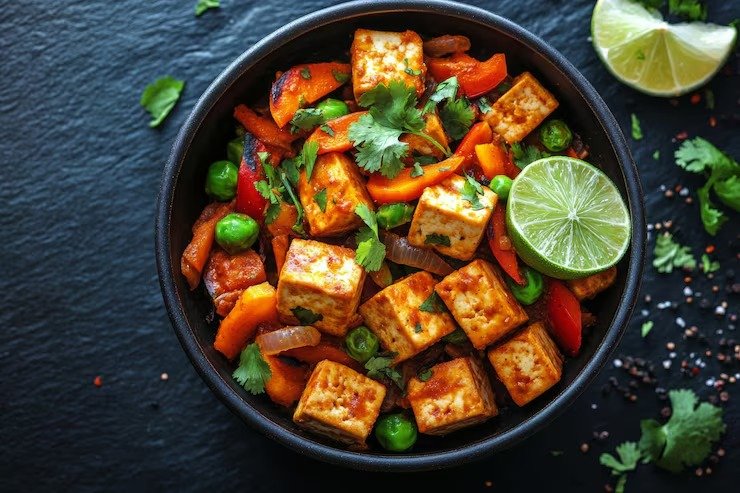
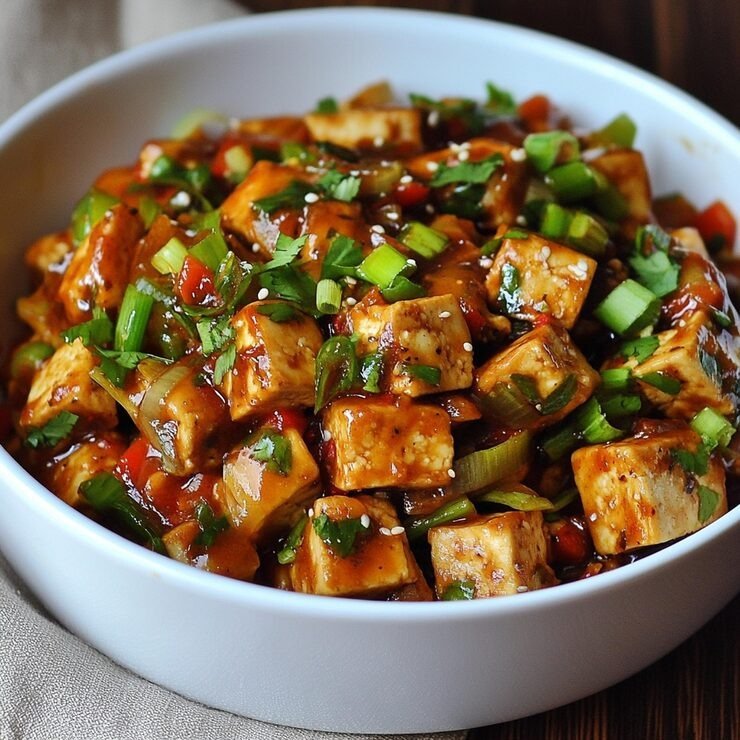
Introduction to Chilli Paneer
Chilli paneer is a beloved dish that holds a prominent place in the realm of Indo-Chinese cuisine, showcasing a delightful fusion of flavors and textures. This dish primarily consists of paneer, a type of Indian cottage cheese, sautéed with a variety of spices, vegetables, and aromatic sauces, creating a unique taste that appeals to many. The roots of chilli paneer can be traced back to the early adaptations of Chinese culinary techniques to suit Indian palates, reflecting the vibrant cultural exchanges that have occurred between these two rich traditions.
The significance of chilli paneer extends beyond just its flavors; it serves as an emblem of vegetarian dining within a predominantly non-vegetarian popular culture. As more individuals embrace vegetarianism for health, ethical, and environmental reasons, chilli paneer has emerged as a formidable option for those seeking protein-rich alternatives. Its smooth texture coupled with the spicy, tangy sauce creates an appetizing dish that resonates well with vegetarian and non-vegetarian diners alike.
Moreover, chilli paneer is not only a staple in restaurants but also a frequent choice in homes, where it plays a starring role in festive gatherings and special occasions. Its versatility allows for numerous variations, making it a customizable dish that can cater to different preferences. From mild to spicy adaptations, chefs can experiment with ingredients and techniques, ensuring that each rendition of chilli paneer tells a different story, yet remains rooted in its original appeal.
In summation, chilli paneer is more than just a popular dish; it symbolizes a culinary bridge connecting diverse gastronomic traditions. As this guide unfolds, readers will gain valuable insights into preparing this flavorful dish and exploring its endless possibilities in the kitchen.
Ingredients Needed
To prepare a delicious chilli paneer, it is crucial to gather the right ingredients that will enhance its flavor and texture. The ingredients can be categorized into two main sections: those required for the paneer preparation and those necessary for the sauce.
Ingredients for Paneer Preparation
For the preparation of paneer, you will need:
- 250 grams of paneer: Fresh, soft paneer is recommended. If unavailable, you can use firm tofu as a suitable vegan alternative.
- 2-3 tablespoons of cornflour: This ingredient helps create a crispy coating on the paneer when stir-fried.
- 1 tablespoon of all-purpose flour: For additional texture and to help bind the cornflour.
- 1 teaspoon of red chili powder: This provides a hint of spice. Adjust according to your heat preference.
- Salt to taste: Enhances the overall flavor of the paneer.
- Oil for frying: Any neutral oil like vegetable or sunflower oil is ideal.
Ingredients for Sauce
The sauce is the heart of chilli paneer, requiring the following components:
- 1 tablespoon of oil: For sautéing ingredients.
- 1 medium-sized onion, finely chopped: Adds sweetness and depth to the dish.
- 1 bell pepper (capsicum), diced: Provides crunch and vibrant color.
- 2-3 green chilies, slit: For additional heat and flavor. You can substitute with jalapeños if required.
- 1 tablespoon of ginger-garlic paste: Essential for rich flavor.
- 2 tablespoons of soy sauce: Adds umami and savory notes.
- 1 tablespoon of tomato ketchup: For sweetness and richness in the sauce.
- 1 teaspoon of vinegar: Gives a nice tang to the overall taste.
- Spring onions for garnish: Adds freshness and a pop of color.
These ingredients are fundamental for crafting a delightful chilli paneer. Each item contributes to the overall character of the dish, ensuring a memorable culinary experience. Various substitutes can be employed if certain ingredients are hard to find, allowing for versatility in crafting this beloved dish.
Preparing the Paneer
To master the art of Chilli Paneer, the first step involves selecting the ideal paneer. When choosing paneer, freshness is key. Ideally, it should be made from full-fat milk, as this contributes to a richer taste and a creamier texture. If purchasing from a store, opt for a brand that emphasizes quality, as the flavor and texture can significantly affect the final dish. Homemade paneer is always a great alternative, allowing for control over texture and quality. To make paneer at home, curdle milk with lemon juice or vinegar, strain the curds, and press them until firm.
Once you have selected your paneer, the next step is to cut it into cubes. Aim for uniformity in size, generally around 1-inch cubes, which will ensure even cooking. It’s advisable to handle the paneer gently, as it can be fragile. For optimal results, let the paneer sit at room temperature for a few minutes before cutting; this makes it easier to manage. If you find that the paneer is a bit tough, soaking it briefly in warm water can soften it, making it more absorbent for the marinade.
The marination process is crucial for infusing flavor into the paneer. Combine spices such as turmeric, red chili powder, and garam masala with yogurt or oil as a base for your marinade. Additionally, minced garlic, ginger, and chopped green chilies can add an extra layer of flavor. Coating the paneer cubes in this mixture ensures that they soak up the spices beautifully. Allow the paneer to marinate for at least 30 minutes, although longer is often better, as it intensifies the flavor. Overall, proper preparation of paneer not only enhances the taste of your Chilli Paneer but also elevates your cooking skills, setting the stage for remarkable results.
Creating the Sauce
To create a delicious and well-balanced chilli sauce for Chilli Paneer, it is essential to select and measure the right ingredients carefully. The primary components include soy sauce, chili sauce, garlic, ginger, and a mix of spices that together lend the dish its signature flavor. The process begins with the preparation of a base by finely chopping two tablespoons of fresh garlic and carefully mincing one tablespoon of fresh ginger. These aromatics, when sautéed in oil, will add depth and warmth to the sauce.
The next crucial ingredient is soy sauce, which brings a savory umami flavor to the dish. Use approximately three tablespoons of light soy sauce; this ingredient not only adds saltiness but also contributes to the overall color of the sauce. Following this, add two tablespoons of chili sauce. The choice of chili sauce can vary based on your heat preference, ranging from mild to spicy, and will be critical in achieving the desired heat level in the final dish.
In addition to these, consider adding a tablespoon of vinegar—preferably rice vinegar—for a tangy undertone. To enhance the flavor profile, incorporate a teaspoon of sugar; this helps balance the heat and saltiness. Finally, a mixture of spices should be included: half a teaspoon each of cumin powder, coriander powder, and a pinch of black pepper to create a well-rounded taste. You may also want to include chopped green chilies for added spice and flavor.
After blending these ingredients, taste and adjust as necessary. This sauce will serve as the foundation for your Chilli Paneer, ensuring that every bite is infused with a delightful balance of heat, sweetness, and umami. Understanding how each component contributes to the sauce will enable you to master the blend, crafting a dish that resonates with rich flavors.
Cooking Techniques: Frying vs. Baking
When it comes to preparing chilli paneer, the choice of cooking technique can significantly influence the final dish. Two popular methods are frying and baking, each offering distinct advantages and drawbacks. Understanding these differences helps in achieving the desired texture and flavor of the paneer.
Frying paneer is a common method that typically results in a crispy exterior while maintaining a soft and moist interior. By sautéing the paneer cubes in hot oil, the high temperature creates a golden-brown crust that enhances the overall taste. This method is quick and provides immediate gratification; however, frying can also lead to a higher fat content in the dish, which may not be suitable for those monitoring their dietary intake. Moreover, it is important to ensure that the oil is adequately heated to prevent the paneer from becoming greasy or losing its shape during cooking.
On the other hand, baking offers a healthier alternative to frying. By using an oven, the paneer can be cooked evenly without the need for excessive oil. This technique is especially advantageous when preparing larger batches, as it allows for effortless cooking. To achieve the best results, marinating the paneer before baking is essential, as it helps in infusing flavors. Baking also ensures that the paneer retains its structure, making it less likely to crumble. However, the texture might be less crispy compared to frying, which some might find less appealing.
Ultimately, the decision between frying and baking depends on personal preferences and dietary considerations. Regardless of the method chosen, taking care to maintain the paneer’s integrity and flavor is essential for a delicious chilli paneer dish.
Garnishing and Plating Tips
When it comes to cooking, presentation is just as critical as flavor. A well-presented dish can enhance the dining experience and entice diners even before they take their first bite. In the case of chilli paneer, thoughtful garnishing and plating not only highlight the vibrant colors of the ingredients but also elevate its appeal on the table.
To start, consider using fresh herbs for garnishing. Chopped cilantro or fresh mint can add a refreshing touch that complements the spicy profile of chilli paneer. Sprinkling these herbs over the dish just before serving can offer a burst of color and flavor. Additionally, thinly sliced scallions or green onions can provide a crunchy texture and a hint of sharpness, balancing the richness of the paneer.
Incorporating vegetables into the presentation can also significantly improve the dish’s visual appeal. Colorful bell peppers or finely chopped tomatoes arranged around the chilli paneer can create a striking contrast, enhancing the overall aesthetic. For an artistic touch, consider drizzling some tangy sauce or yogurt around the plate to frame the dish. This not only adds additional flavor but also creates an inviting scene on the dining table.
Plating techniques play a vital role in enhancing the overall dining experience. Using a wide, shallow plate allows for ample space to spread the components of your dish, showcasing the vibrant colors of the chilli paneer. When plating, aim for height and volume rather than spreading everything out flat. You can stack the paneer pieces slightly or pile some of the accompanying vegetables beside them to add interest and depth to the plate.
By focusing on these garnishing and plating techniques, your chilli paneer will not only taste delicious but also look equally enticing, making it a standout dish at any meal.
Variations of Chilli Paneer
Chilli Paneer is a versatile dish that has garnered a plethora of variations over time. Each version highlights different ingredients and flavors, making it possible for food enthusiasts to tailor this popular recipe to their individual tastes. One prominent variation is the dry Chilli Paneer. Unlike the more commonly known gravy version, dry Chilli Paneer is characterized by its minimal sauce, emphasizing the flavor of the paneer and spices used. Typically served as an appetizer, it showcases the paneer cubes sautéed with bell peppers, onions, and a mix of sauces that coat the paneer lightly, creating a delightful crunch with every bite.
Another exciting version is Chilli Paneer in different sauces. For instance, one can experiment with a sweet and sour sauce that adds a unique twist to the classic flavor profile. This variation incorporates ingredients like tomato ketchup, soy sauce, and vinegar, balancing the spiciness of green chilies with a tangy sweetness. Additionally, some enthusiasts prefer a richer interpretation by using a creamy sauce, blending yogurt or coconut milk with spices to create a sumptuous coating for the paneer.
Including additional ingredients can further enhance the dish. Adding vegetables such as broccoli, mushrooms, or even pineapples can contribute new textures and flavors. Also, incorporating nuts like cashews or almonds can introduce an aromatic element that elevates the overall dining experience. Whether served as a main course with fried rice or noodles or enjoyed as a standalone snack, experimenting with variations of Chilli Paneer allows for endless culinary creativity. By creatively modifying the ingredients, each cook can discover their unique take on this beloved dish, ensuring they satisfy their palate while exploring the diverse world of flavors.
Serving Suggestions
Chilli paneer, a delightful fusion of Indian flavors and Chinese cooking techniques, serves as an excellent centerpiece for any meal. To enhance the dining experience, it is essential to consider complementary side dishes, sauces, and beverages that pair well with this popular dish.
For side dishes, fried rice or vegetable hakka noodles are perfect accompaniments. These dishes not only provide a satisfying base but also balance the spiciness of chilli paneer. You can opt for plain steamed rice or jeera (cumin) rice for a simpler yet equally delicious pairing. A fresh salad, consisting of crisp vegetables like cucumbers, carrots, and bell peppers simply dressed with lemon juice, can also provide a refreshing counterpoint to the richness of the main dish.
In terms of sauces, a tangy garlic sauce or a sweet and sour sauce can complement the bold flavors of chilli paneer beautifully. Additionally, a drizzle of soy sauce or a sprinkle of chili flakes can enhance the taste and add a different dimension to the dish. For those who enjoy extra heat, serving a side of green chili sauce or a mildly spiced dipping sauce can elevate the flavor profile further.
When it comes to beverages, a chilled beer or a light white wine can work wonders in balancing the spiciness of chilli paneer. Alternatively, freshly prepared lemonade or a tangy mango lassi could serve as refreshing non-alcoholic options that cleanse the palate. These beverages not only provide hydration but also enhance the vibrant flavors of the meal.
By thoughtfully selecting side dishes, sauces, and beverages, you can create a well-rounded and enjoyable meal centered around chilli paneer, making for an unforgettable dining experience for you and your guests.
Chef-Style Tips for Best Results
Creating a restaurant-quality chilli paneer at home requires attention to detail and knowledge of key cooking techniques. To achieve exceptional results, start with the ingredients. Freshness is crucial; opt for high-quality paneer that is soft yet firm. Ensure that the vegetables, particularly bell peppers and onions, are vibrant and crisp, as they contribute both to the dish’s flavor and presentation.
Next, marinating the paneer is an essential step. A simple marinade of soy sauce, ginger-garlic paste, and a pinch of vinegar will infuse the paneer with flavor while tenderizing it. Allow it to marinate for at least 30 minutes, but for the best results, consider marinating it overnight. This technique is particularly beneficial because it allows the flavors to penetrate thoroughly.
When it comes to cooking methods, utilizing high heat is vital. A wok or a heavy skillet will work best, as they can evenly distribute heat and help achieve that signature smoky flavor often found in restaurant dishes. Preheat your cooking vessel first, and then add oil, allowing it to reach the right temperature before introducing the paneer and vegetables. This step ensures that the ingredients sear rather than steam, creating a desirable texture.
Another expert tip is to avoid overcrowding the pan. Cook in batches if necessary, as this practice will prevent the temperature from dropping, ensuring that the ingredients cook evenly and maintain a delightful crunch. Lastly, finish the dish with a sprinkle of fresh coriander and a dash of lime juice to elevate the flavors, offering a fresh contrast to the vibrant, spicy sauce. Following these chef-style tips will allow you to master the art of making chilli paneer, bringing the taste of your favorite restaurant into your home kitchen.