Introduction to Gulab Jamun
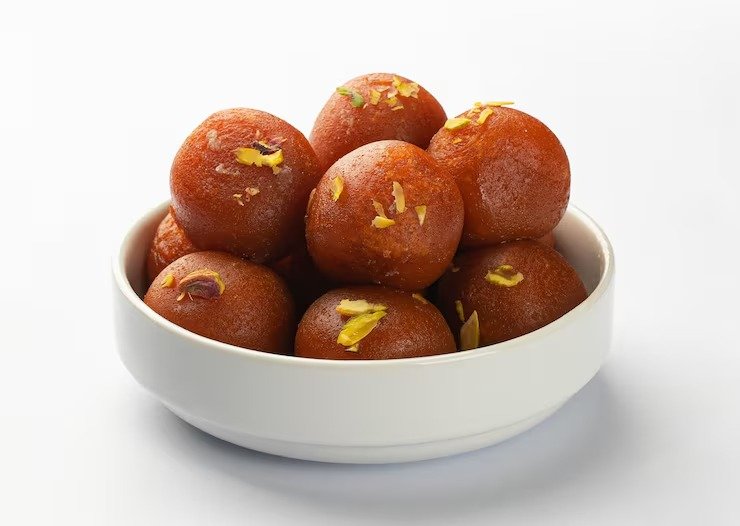
Gulab Jamun is a cherished dessert in Indian cuisine, known for its soft, melt-in-the-mouth texture and rich sweetness. This iconic sweet is made from khoya, a condensed milk product, which is shaped into small balls, deep-fried until golden brown, and then soaked in a fragrant syrup infused with rose water, cardamom, and saffron. The dessert’s origins can be traced back to the Indian subcontinent, where it has been a part of culinary traditions for centuries.
Historically, Gulab Jamun is believed to have Persian roots, linked to a dessert called ‘luqmat al qadi.’ Over time, it evolved and became widely popular in South Asia, where it has taken on regional variations. Today, Gulab Jamun is an essential part of celebrations and religious festivities such as Diwali, Eid, and weddings, symbolizing joy and abundance. It is often served as a dessert after meals, accompanied by other traditional sweets, embodying the spirit of hospitality and celebration in Indian culture.
Its widespread popularity can be attributed to its delightful taste and versatility. While the classic version is highly regarded, many people enjoy innovative adaptations, such as chocolate-filled or baked variations, each maintaining the essence of the original dish while appealing to modern palates. The preparation of Gulab Jamun is also a communal activity, with families often gathering together to make the dessert during special occasions. This aspect further solidifies its significance in Indian culinary heritage, ensuring that it continues to be relished by generations.
Ingredients Needed for Gulab Jamun
To create the delightful Indian sweet known as Gulab Jamun, it is essential to gather a precise list of ingredients that contribute to its rich taste and texture. The core element, or main ingredient, is khoya, also known as mawa, which is evaporated milk solid. Khoya plays a pivotal role in providing the necessary richness and flavor that defines Gulab Jamun. If khoya is unavailable, a suitable substitute can be store-bought milk powder mixed with water to achieve a similar consistency.
Next, you will need all-purpose flour (maida), which acts as a binding agent for the dough. The addition of a small quantity of semolina (sooji) can enhance the texture and help the balls maintain their shape while frying. Ghee, or clarified butter, is integral for frying the balls, imparting a distinct flavor and aroma. For those looking for a healthier alternative, refined oil can be used, though it may affect the taste slightly.
Sugar is another crucial ingredient, as it is used to create the sugar syrup that soaks into the fried balls. A classic sugar syrup consists of equal parts water and sugar, often flavored with cardamom or rose water for an extra touch of sweetness. Further enhancing the flavor profile, you may opt to include optional ingredients such as crushed cardamom, saffron strands, or even ground nuts, which can add complexity to your Gulab Jamun while complementing the primary flavors.
Lastly, for those experimenting with variations, consider using jaggery instead of refined sugar for the syrup for a unique taste. By carefully selecting and preparing these ingredients, you set the stage for perfecting the traditional Indian sweet, Gulab Jamun.
Step-by-Step Preparation Process
The preparation of Gulab Jamun, a beloved Indian sweet, involves several essential steps that ensure a delightful end product. To begin with, the dough is the cornerstone of this recipe. Combine 1 cup of milk powder, ¼ cup of all-purpose flour, and 1 tablespoon of ghee in a mixing bowl. Proceed to add a pinch of baking soda and a tablespoon of milk to form a smooth, pliable dough. Ensure not to over-knead, as this can lead to dense Gulab Jamun. Allow the dough to rest for about 10 to 15 minutes.
Once the dough is rested, the next step is shaping the balls. Take small portions of the dough and roll them in your palms to create smooth, uniform balls, approximately the size of a marble. It is crucial to ensure there are no cracks on the surface, as this could cause them to break while frying. To avoid this common pitfall, ensure your hands are slightly greased while shaping.
Next, prepare the sugar syrup as the Gulab Jamun needs it post-frying to soak up the sweetness. In a saucepan, mix 1.5 cups of sugar with 1.5 cups of water and bring it to a boil. Add a few cardamom pods for flavor and simmer for about 5–10 minutes, until the syrup reaches a one-string consistency. It’s imperative not to overcook the syrup, as it may crystallize.
The frying process follows the preparation of the syrup. Heat ghee or oil in a deep frying pan over low to medium heat. Fry the shaped balls in batches, ensuring they are evenly cooked and golden brown. Constantly monitor their color and adjust the heat accordingly to avoid burning. After frying, immerse the Gulab Jamun in the warm sugar syrup for at least 30 minutes to allow them to absorb the flavor and moisture.
By following these precise steps, you will create delicious, soft Gulab Jamun deserving of any celebration.
Perfecting the Sugar Syrup
Creating the perfect sugar syrup is crucial in mastering Gulab Jamun, as it directly influences the overall flavor and texture of this beloved Indian sweet. The first step in this process is to ensure the right consistency of the syrup, which should be of a one-string consistency. To achieve this, combine equal parts of sugar and water in a heavy-bottomed pan and bring it to a boil. As the mixture heats, occasional stirring ensures that the sugar is completely dissolved. The syrup should be allowed to simmer for about 10 minutes; this duration allows for the syrup to thicken without becoming overly sticky.
Enhancements such as cardamom and rose water are integral to achieving a delightful flavor profile. After the syrup has reached the desired consistency, add a few crushed cardamom pods. Their aromatic essence will infuse the syrup, imparting a rich taste that complements the Gulab Jamun beautifully. Additionally, incorporating a tablespoon of rose water grants a subtle floral aroma, elevating the sweet’s sensory appeal. It is essential to add these flavorings at the end of the cooking process to preserve their potency.
Striking the right balance of sweetness in the sugar syrup is paramount. While Gulab Jamun should be sweet, an overly sugary syrup can overwhelm the palate. A good approach is to taste the syrup after adding enhancements. If the syrup tastes excessively sweet, consider diluting it with a small amount of water, being careful to maintain the one-string consistency. This careful attention to detail will ensure that the syrup complements the fried dough balls perfectly. In conclusion, the art of making sugar syrup does not just end with sugar and water; it involves a symphony of flavor and texture that transforms your Gulab Jamun into an irresistible treat.
Frying Like a Pro
Frying is a crucial step in creating the perfect Gulab Jamun, as it directly influences the sweetness and texture of this popular Indian dessert. Understanding the oil temperature is paramount; it should ideally be maintained between 280°F to 300°F (140°C to 150°C). At this range, the dough balls cook through gently without burning on the outside. If the oil is too hot, the exterior will brown quickly while the interior remains uncooked, which can result in an unpleasant texture. Conversely, oil that is not hot enough will lead the Gulab Jamun to absorb excessive oil, making them greasy and less appealing.
To achieve even cooking, it is recommended to fry in small batches. This method not only helps to regulate the temperature but also allows for better movement in the pan, which ensures that each piece is evenly exposed to the hot oil. Using a deep, heavy-bottomed pan can provide stability and prevent fluctuations in temperature. When adding the dough balls, do so gently to avoid splashing hot oil and to maintain the temperature equilibrium in the frying vessel.
As the Gulab Jamun fry, it’s important to continuously move them around with a slotted spoon. This encourages even browning and prevents them from sticking to the bottom of the pan or each other. The goal is a deep, golden-brown color which signals that they are perfectly fried. Once they reach this color, they should be removed from the oil and drained on paper towels to absorb excess oil.
Mastering the frying technique for your Gulab Jamun can significantly enhance their flavor and texture, making your effort a truly rewarding experience. Careful attention to oil temperature and frying methodology will ensure that your Gulab Jamun emerges beautifully golden and delectably soft.
Variations on Traditional Gulab Jamun
Gulab Jamun, the beloved Indian dessert, offers a delightful base for a variety of creative interpretations while preserving its traditional essence. Explorations into different variations can provide a unique twist, satisfying both the palate and the adventurous spirit of home bakers and culinary enthusiasts alike. One enticing variation involves baking the Gulab Jamun instead of the conventional frying method. Baked Gulab Jamun significantly reduces the oil content, making it a lighter option that still retains the characteristic sweetness and flavor.
Additionally, fillings can transform this classic treat into an ingenious dessert. Traditional Gulab Jamun typically features a dough made from khoya (condensed milk) and is cooked in syrup. By adding fillings such as chopped nuts, chocolate, or even flavored creams, bakers can create a surprise element that adds depth and complexity. For example, incorporating pistachios or almonds alongside khoya not only enhances the texture but also infuses the dessert with a rich nutty flavor.
For chocolate lovers, a chocolate-filled version can be prepared by injecting or mixing melted chocolate with the dough before frying or baking. This variation appeals to those who enjoy the melding of rich chocolate with the sweet syrup, broadening the Gulab Jamun flavor palette. The addition of saffron or cardamom in syrup can also elevate the taste profile, in line with traditional Indian sweets. Experimenting with these variations not only allows individuals to innovate but also celebrates the versatility of Gulab Jamun within Indian cuisine.
Ultimately, the variations of Gulab Jamun encourage culinary creativity while honoring its classic preparation. As food culture continues to evolve, these modern adaptations can serve as inspiration for anyone looking to breathe new life into this cherished dessert.
Chef-Style Tips for Best Results
Creating the perfect Gulab Jamun at home requires attention to detail and a commitment to quality ingredients. One of the most critical factors for achieving restaurant-quality results is the selection of ingredients. Utilize premium khoya or mawa, which provides a rich flavor and a velvety texture to the sweet. Freshly prepared khoya is preferable, as pre-packaged options may contain preservatives that can compromise the taste. Additionally, sourcing high-quality sugar and cardamom will enhance the overall profile of your Gulab Jamun.
The technique employed in making the dough is equally significant. The dough should be soft yet not sticky; this is best achieved by kneading it briefly but thoroughly. Avoid over-kneading, as it can lead to a dense texture in the finished product. A useful tip is to let the dough rest for about 10 to 15 minutes before shaping it into balls. This resting period helps the gluten relax and ensures that the balls maintain their shape when frying.
When it comes to frying, the oil temperature is paramount. Ensure that the oil is hot enough to get immediate sizzle upon contact with the dough, but not so hot that it burns the exterior while leaving the inside undercooked. A consistent medium flame is ideal. Fry the Gulab Jamun in small batches to maintain the oil temperature. Once they achieve a golden-brown color, transfer them to the sugar syrup while they are still warm, allowing them to absorb the syrup thoroughly. For best results, allow the Gulab Jamun to soak in the syrup for several hours or overnight; this enhances their flavor and ensures they are beautifully syrupy when served.
Serving Suggestions and Pairings
Gulab Jamun, a beloved Indian dessert, can be elevated through artful serving and thoughtful pairing. The visual presentation of this sweet dish significantly enhances its appeal, making it essential to consider garnishing options. A simple yet effective way to present Gulab Jamun is by drizzling it with reduced sugar syrup, which can be infused with cardamom or rose essence to accentuate its signature flavor. Additionally, a sprinkle of chopped nuts, such as pistachios or almonds, provides both texture and a pop of color that makes the dish visually tempting.
When it comes to pairing Gulab Jamun with other dishes, serving it alongside a warm bowl of Indian curry can create a delightful contrast between savory and sweet. The richness of the curry complements the sugary notes of Gulab Jamun, creating a balanced dining experience. Consider offering the dessert as a finale to a lavish feast that incorporates a variety of traditional Indian cuisines, enhancing the overall meal with layers of flavors.
For those looking to enhance their dessert experience further, beverage recommendations abound. Indian chai, with its milky texture and aromatic spices, is a splendid accompaniment to Gulab Jamun. The warm spice notes of the tea harmonize with the sweet, syrupy goodness of the dessert, offering a comforting balance. Alternatively, saffron-infused milk or lassi can serve as delightful pairings as well. The cooling properties of these beverages work well to counteract the intense sweetness of the Gulab Jamun, creating a satisfying conclusion to any Indian meal.
Ultimately, serving Gulab Jamun with care and creativity can transform this simple sweet into an elevated dish. Whether through garnishing, pairing with savory options, or complementing beverages, attention to detail ensures a memorable dessert experience that celebrating Indian culinary tradition.
Storage and Reheating Tips
To maintain the freshness and flavor of leftover Gulab Jamun, proper storage is essential. After preparing this delightful Indian sweet, if there are any leftovers, it is advisable to store them in an airtight container. This method prevents moisture loss and protects the Gulab Jamun from absorbing any unwanted odors from the refrigerator. It’s best to keep them submerged in their syrup, as this helps retain their softness and prevents them from drying out. The ideal storage temperature is within the refrigerator at around 4°C (39°F). Stored this way, Gulab Jamun can remain fresh for up to a week, though the best flavor and texture might be experienced within the first few days.
For longer-term storage, consider freezing the Gulab Jamun. To do so, place the sweets in an airtight freezer-safe container with enough syrup to cover them completely. They can be frozen for up to three months. However, it is crucial to note that while Gulab Jamun can be frozen, the texture may slightly change upon thawing, potentially becoming a bit denser. When you are ready to enjoy them again, avoid refreezing to ensure the best quality.
Reheating Gulab Jamun requires careful attention to restore their original soft and syrupy state. To reheat, you can use two popular methods: the microwave or stovetop. For the microwave, place the desired number of Gulab Jamun in a microwave-safe bowl, with some syrup, and heat them on low power for 10 to 15 seconds at a time, checking frequently to prevent overheating. Alternatively, for stovetop reheating, simmer them gently in their syrup over low heat for a few minutes, ensuring they warm through evenly. These reheating methods will help you enjoy the perfect texture and flavor, allowing none of the deliciousness to go to waste.
Conclusion and Final Thoughts
In conclusion, mastering the art of making Gulab Jamun requires a combination of the right ingredients, techniques, and a touch of patience. Throughout this comprehensive guide, we have explored the essential components that contribute to the creation of this beloved Indian sweet. From the preparation of the soft dough to achieving the perfect consistency of the syrup, each step plays a crucial role in delivering the delightful taste and texture that define Gulab Jamun.
We have emphasized the importance of selecting quality ingredients, such as khoya or milk powder, and the need for precision in frying temperatures. Understanding the significance of soaking the fried balls in sugar syrup allows for optimal flavor absorption, ensuring that each bite is a harmonious blend of sweetness and richness. Moreover, the variations we discussed offer you the opportunity to customize the recipe to suit your preferences, further enhancing your culinary experience.
As you set out to create your own batch of Gulab Jamun, remember that practice makes perfect. Do not hesitate to experiment with flavors and techniques, as each attempt will further refine your skills and understanding of this iconic dessert. We encourage you to share your experiences, feedback, and any tips you may have gathered along the way. Engaging with fellow enthusiasts can enrich your journey and inspire new ideas, fostering a vibrant community around this delightful treat.
Ultimately, the pleasure derived from crafting and savoring Gulab Jamun transcends mere cooking; it embodies a shared experience that brings family and friends together. So roll up your sleeves, embrace the process, and enjoy every moment as you whip up this sweet masterpiece in your own kitchen.